

.svg)
7 AM - 7 PM
%201%201.svg)
The Most Frequent DOT Inspection Failures We See
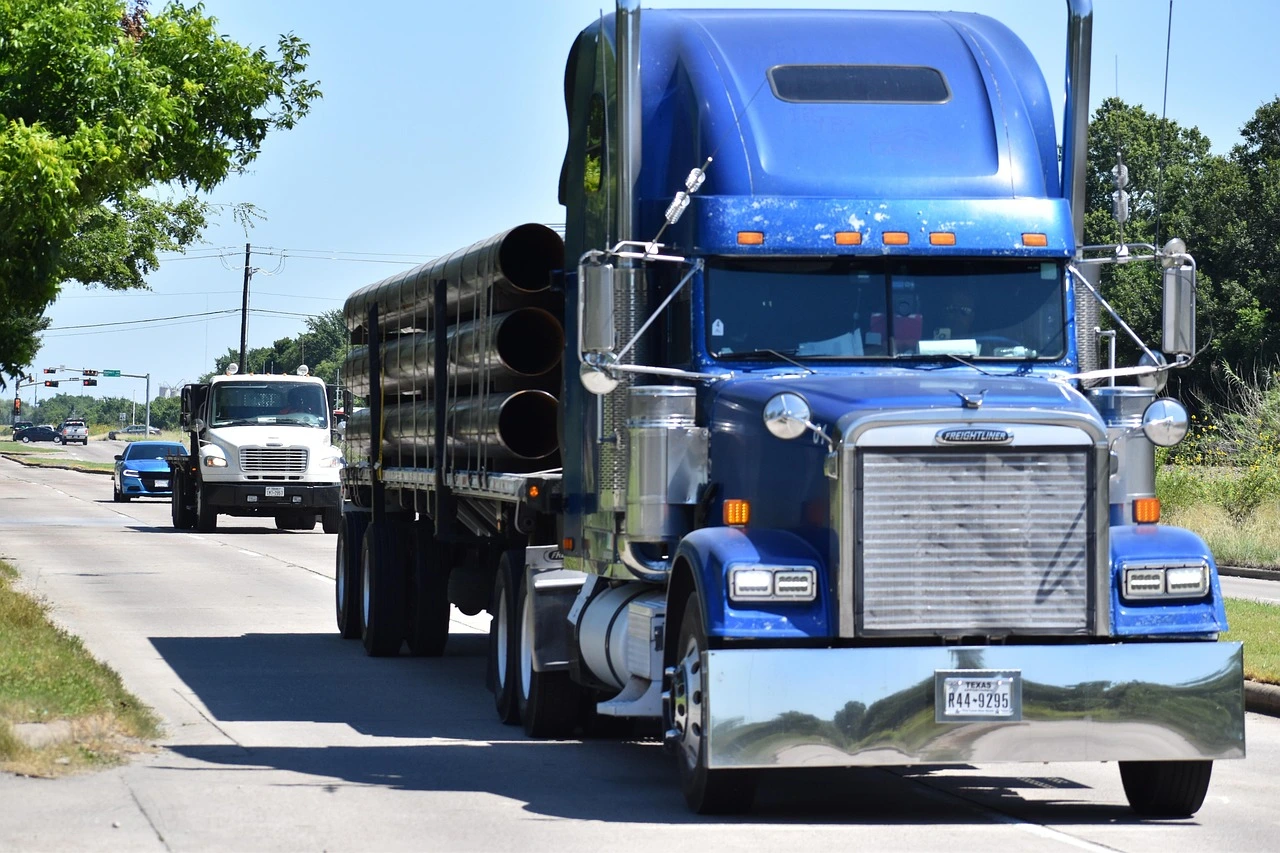

Every time a DOT inspection rolls around, it’s a moment that keeps fleet managers and drivers on their toes. You’ve pre‑trip your truck, walk around it like clockwork, and still — that dreaded inspector might find something you didn’t catch. At Red Lightning Field Services in Largo, FL, we’ve seen it all in our years of performing field repairs and pre‑DOT check preparation. DOT inspection failures aren’t just paperwork; they can cost time, money, and uptime. Below, we break down the most common failures we see again and again — and what you can do about them.
Understanding these common pitfalls helps you train your drivers better, tighten your inspection routines, and stay rolling with confidence.
Why DOT Inspections Matter (and Why Failures Hurt)
DOT inspections aren’t arbitrary — they’re safety checks mandated by the Federal Motor Carrier Safety Administration (FMCSA). When a vehicle fails, it’s not just a failing grade on paper:
- Out‑of‑service violations can stop your truck right on the spot.
- Fines and penalties add up fast at both state and federal levels.
- Increased CSA scores can trigger further audits and restrict your insurance options.
Whether you’re a small fleet or a large operation, avoiding common DOT inspection failures protects your bottom line, protects your drivers, and keeps your trucks where they belong — on the road.
1. Brake System Issues: The Number One Culprit
Hands down, brake system failures top the list of frequent DOT issues. When inspectors walk around, brakes are one of the very first systems they assess.
Common brake failures include:
- Uneven brake shoe wear
- Improper pushrod stroke
- Leaking air chambers
- Missing or damaged parts
Brakes are complex — air systems, chambers, slack adjusters, and more. A small leak or misadjustment can tip the scale from a pass to an immediate out‑of‑service order.
How to stop this: Train your techs on proper brake inspection procedures, and use calibrated tools for brake stroke checks. Pre‑trip brake checks should be mandatory every single trip.
2. Lights and Reflectors: Small Parts, Big Problems
You might think lights are “minor,” but DOT inspectors don’t take them lightly.
Why they fail:
- Broken lenses
- Non‑functioning LEDs or bulbs
- Missing reflectors
- Improperly mounted wiring
Lights and reflectors are safety devices. They help others see you on the road at night, in the rain, or in heavy traffic. A missing reflector might seem trivial — until it triggers a violation.
Tip: Add a light‑check to your start‑of‑day checklist. Inspect every corner: marker lights, headlights, tail lights, turn signals, and side reflections.
3. Tires and Wheels: Where Rubber Meets Reality
Tire violations are another consistent problem on DOT inspections.
Typical issues include:
- Tread below legal limits
- Uneven wear patterns
- Bulges or cuts
- Under‑inflation
- Loose or missing lug nuts
Wheel end issues aren’t just inspection red flags; they’re safety hazards that can lead to blowouts, loss of control, and costly downtime.
Pro tip: Establish a tire‑pressure and lug‑nut‑torque program. Using a torque wrench regularly protects against wheel knock‑offs and improves fuel efficiency.
4. Suspension Problems: Wear That Sneaks Up On You
Suspension components wear slowly, but inspectors notice.
Look for:
- Broken or missing leaf springs
- Loose or worn shackles
- Damaged bushings
- Faulty shock absorbers
Suspension failures affect vehicle stability and increase stopping distance. It's exactly the kind of unsafe condition DOT inspections flag.
Practical check: Have techs lift each corner and check for play. Listen for creaks during test drives. They’re clues, not just noises.
5. Steering Components: Safety Critical
Your steering system is something you feel every mile you drive and DOT inspectors check it just as closely.
Frequent issues include:
- Worn tie rod ends
- Damaged drag links
- Steering box leaks
- Excessive play
Even slight looseness can escalate quickly. Issues here often lead to out‑of‑service orders, so don’t ignore steering play during daily inspections.
Fix: Inspect linkage joints and boots. Grease all fittings and replace worn parts at the first sign of play.
6. Cargo Securement: More Than Straps and Chains
If you’re hauling freight —especially heavy or oversized loads— securement is critical.
Common failures:
- Missing or damaged tie‑downs
- Improper weight distribution
- Inadequate dunnage
- Loose straps or chains
Cargo that shifts is a hazard on the road and a guaranteed DOT failure.
Checklist addition: Verify proper edge protection, weight limits, and binding points BEFORE you pull away from the yard.
7. Documentation Errors: Paperwork Equals Compliance
DOT doesn’t only inspect the vehicle. Inspectors also check your paperwork.
Documentation mistakes we see:
- Missing driver logs
- Incomplete vehicle inspection reports
- Lack of maintenance records
- Incorrect or expired permits
Even if your truck is perfect, sloppy paperwork can lead to violations.
Fix: Standardize inspection forms and store them in an organized system. A digital fleet management tool can help ensure nothing slips through the cracks.
8. Exhaust and Emission Systems: Often Overlooked
With stricter emissions standards and roadside focus on air quality, exhaust violations are on the rise.
Typical issues:
- Missing or damaged catalytic converters
- Exhaust leaks
- Emission control tampering
These violations often violate both DOT and EPA mandates — meaning double trouble and potential fines.
Tip: Include exhaust system checks in your routine preventive maintenance and pre‑trip walkarounds.
How Red Lightening Field Services Helps You Stay DOT‑Ready
We get it! Fleet managers already juggle a thousand things. DOT compliance shouldn’t be one of the headaches that keep you up at night.
At Red Lightning Field Services in Largo, FL, we specialize in:
- Field DOT inspections
- Brake and suspension repairs
- Steering and chassis diagnostics
- Pre‑trip readiness checks
- On‑site support and rapid response
Our goal is simple: keep your vehicles compliant, safe, and rolling with minimal downtime.
Preparation Prevents Failures
The most frequent DOT inspection failures aren’t mysteries. They’re predictable and preventable. Brakes, lights, tires, suspension, steering, cargo securement, paperwork, and emissions all top the charts. When you train your team and inspect regularly, you slash your chances of being sidelined.
You owe it to your drivers, your customers, and your bottom line to make DOT compliance a priority, not a panic.
Ready to Avoid Your Next DOT Failure?
Contact Red Lightning Field Services in Largo, FL, today for a DOT readiness check, field repair support, and inspection‑ready service you can count on. Don’t wait until you’re stuck with a violation — stay ahead of the inspection and stay on the road.