

.svg)
7 AM - 7 PM
%201%201.svg)
Could a Simple Coolant Inspection Save You Thousands This Summer?
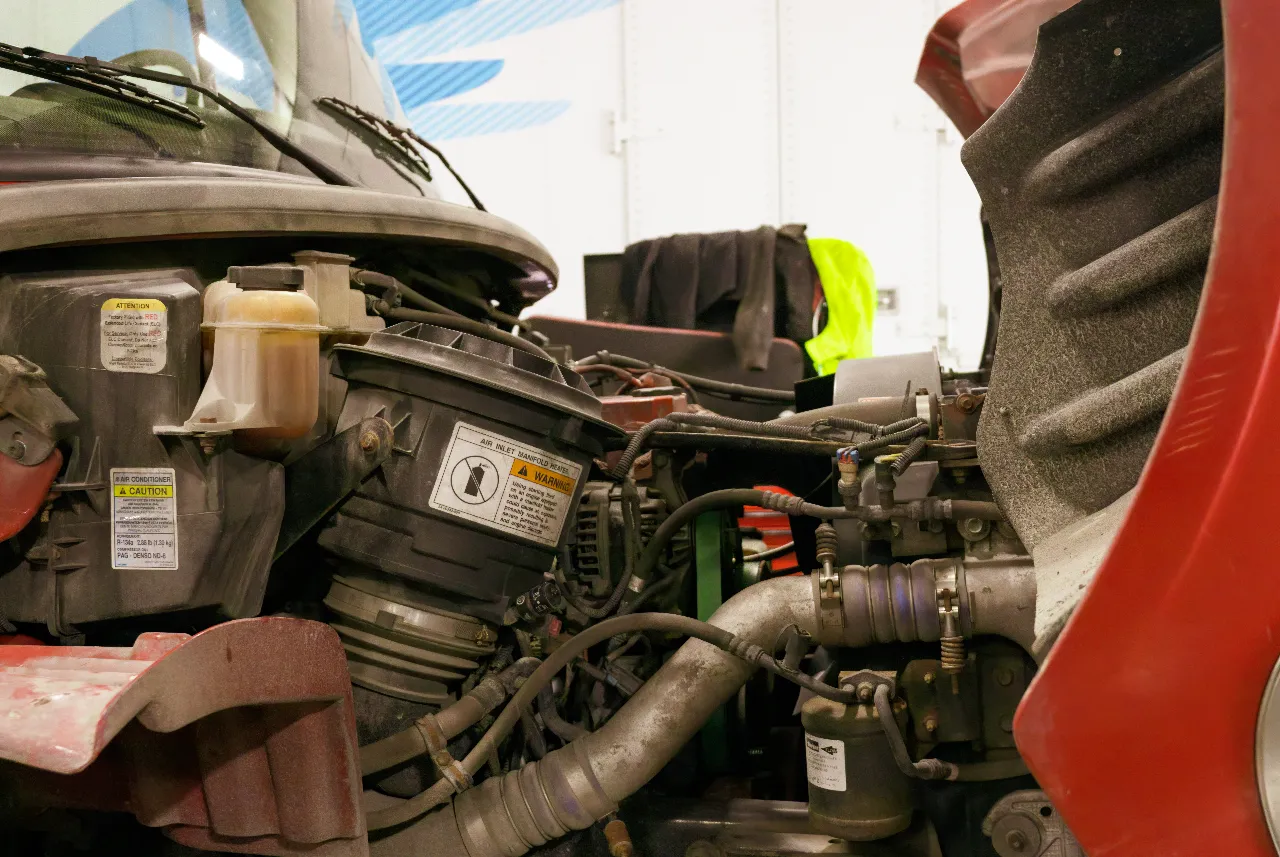

A simple coolant inspection can save you thousands this summer by identifying leaks, worn components, low coolant levels, and other issues before they cause engine overheating. Regular cooling system inspections help prevent costly repairs, reduce downtime, and keep your truck operating reliably in extreme heat.
Why Your Coolant System Matters More in Summer
Your engine generates an enormous amount of heat every time it runs. Without an effective cooling system, that heat would quickly build up and cause severe damage. The coolant system transfers heat away from the engine and releases it through the radiator, helping maintain safe operating temperatures.
As outside temperatures rise during Florida's summer months, your cooling system must work even harder. High humidity, stop-and-go traffic, heavy hauling, and extended idling can all increase engine temperatures and place additional strain on cooling components.
When the system isn't functioning properly, overheating becomes a real threat.
What Happens When a Cooling System Fails?
Many drivers assume overheating is a minor inconvenience. In reality, it can become one of the most expensive repairs a truck owner faces.
A failed heavy-duty cooling system can lead to:
- Cracked cylinder heads
- Blown head gaskets
- Warped engine components
- Damaged pistons
- Premature engine wear
- Complete engine failure
In severe cases, a replacement diesel engine can cost tens of thousands of dollars. That's why a simple inspection is often one of the smartest investments you can make.
Common Coolant System Problems
Cooling system issues rarely happen without warning. Most develop gradually over time.
Low Coolant Levels
One of the most common causes of overheating is simply low coolant. Small leaks can develop in hoses, clamps, fittings, or the radiator itself.
As coolant levels drop, the system loses its ability to absorb and transfer heat effectively.
Worn-Out Coolant
Engine coolant doesn't last forever. Over time, exposure to heat causes coolant to break down, reducing its ability to absorb radiant heat from the engine. When coolant degrades, cooling performance suffers.
Old coolant can also contribute to corrosion inside the cooling system.
Failing Water Pump
The water pump circulates coolant through the engine and radiator. If it begins to fail, coolant flow slows or stops entirely.
Common warning signs include:
- Coolant leaks
- Unusual noises
- Rising engine temperatures
- Steam from the engine compartment
Clogged Radiator
Your radiator is responsible for dispersing heat collected by the coolant. Dirt, debris, bugs, and corrosion can block airflow or restrict coolant movement.
A clogged radiator cannot efficiently release heat, increasing the likelihood of overheating.
Malfunctioning Fan Clutch
The fan clutch controls when the cooling fan engages. During low-speed driving and idling, the fan plays a major role in maintaining proper temperatures.
If the fan clutch fails, airflow through the radiator decreases, especially in traffic or job sites where trucks spend long periods idling.
Signs Your Truck Needs a Coolant Inspection
The good news is that many cooling system issues reveal themselves before major damage occurs.
Watch for these warning signs:
Rising Temperature Gauge
If your temperature gauge consistently reads higher than normal, don't ignore it.
Even slight temperature increases can indicate developing problems.
Visible Coolant Leaks
Look for puddles beneath your truck or wet spots around hoses and fittings.
Coolant leaks often start small before becoming serious.
Sweet Smell Around the Engine
Coolant has a distinctive sweet odor. If you notice this smell while driving or after parking, it may indicate a leak.
Steam From Under the Hood
Steam is one of the clearest indicators of overheating.
If you see steam, pull over safely and shut the engine down immediately.
Frequent Coolant Top-Offs
Needing to add coolant regularly often means the system is losing fluid somewhere.
A professional coolant system inspection can identify the source before it worsens.
What Does a Coolant Inspection Include?
A professional coolant system inspection involves more than simply checking fluid levels.
Technicians typically inspect:
- Coolant condition
- Coolant concentration
- Radiator performance
- Hoses and clamps
- Water pump operation
- Fan clutch functionality
- Coolant reservoir condition
- Pressure integrity of the system
- Signs of corrosion or contamination
This comprehensive approach helps identify small problems before they become major failures.
Why Preventive Maintenance Pays Off
Many truck owners wait until something breaks before seeking repairs. Unfortunately, cooling system failures often occur at the worst possible times.
A scheduled coolant inspection offers several benefits:
Reduced Repair Costs
Finding a deteriorating hose is far cheaper than replacing a damaged engine.
Less Downtime
Unexpected breakdowns can disrupt schedules, delay deliveries, and frustrate customers.
Preventive inspections help keep your truck on the road.
Improved Engine Performance
Proper cooling allows your engine to operate within its designed temperature range, maximizing fuel efficiency and reliability.
Longer Component Life
Cooling system components last longer when problems are addressed early.
The same applies to the engine itself.
Florida Summers Create Extra Challenges
Drivers in Largo and throughout Florida face unique operating conditions.
High ambient temperatures reduce the cooling system's ability to shed heat. Combined with:
- Heavy traffic
- Construction zones
- Frequent idling
- Towing and hauling
- High humidity
These conditions place tremendous stress on cooling components.
A truck that performed perfectly during cooler months may struggle once summer temperatures arrive.
That's why many experienced operators schedule coolant system maintenance before peak summer heat arrives.
Simple Checks Drivers Can Perform
While professional inspections are essential, drivers can also perform basic visual checks.
Regularly inspect:
- Coolant levels
- Hose condition
- Visible leaks
- Radiator cleanliness
- Temperature gauge readings
If something appears unusual, don't wait for a breakdown to investigate further.
Early action often prevents expensive consequences.
Keep Your Coolant System Safe This Summer and Save Thousands
A simple coolant inspection may seem minor, but it can protect one of your truck's most valuable assets: the engine. By identifying leaks, worn components, contaminated coolant, or airflow issues early, you can avoid overheating, reduce downtime, and potentially save thousands in repair costs.
When Florida's summer heat arrives, your cooling system becomes your first line of defense. Giving it the attention it deserves today can help keep your truck running reliably tomorrow.