


Common Cummins Engine Problems That Affect Heavy-Equipment Performance
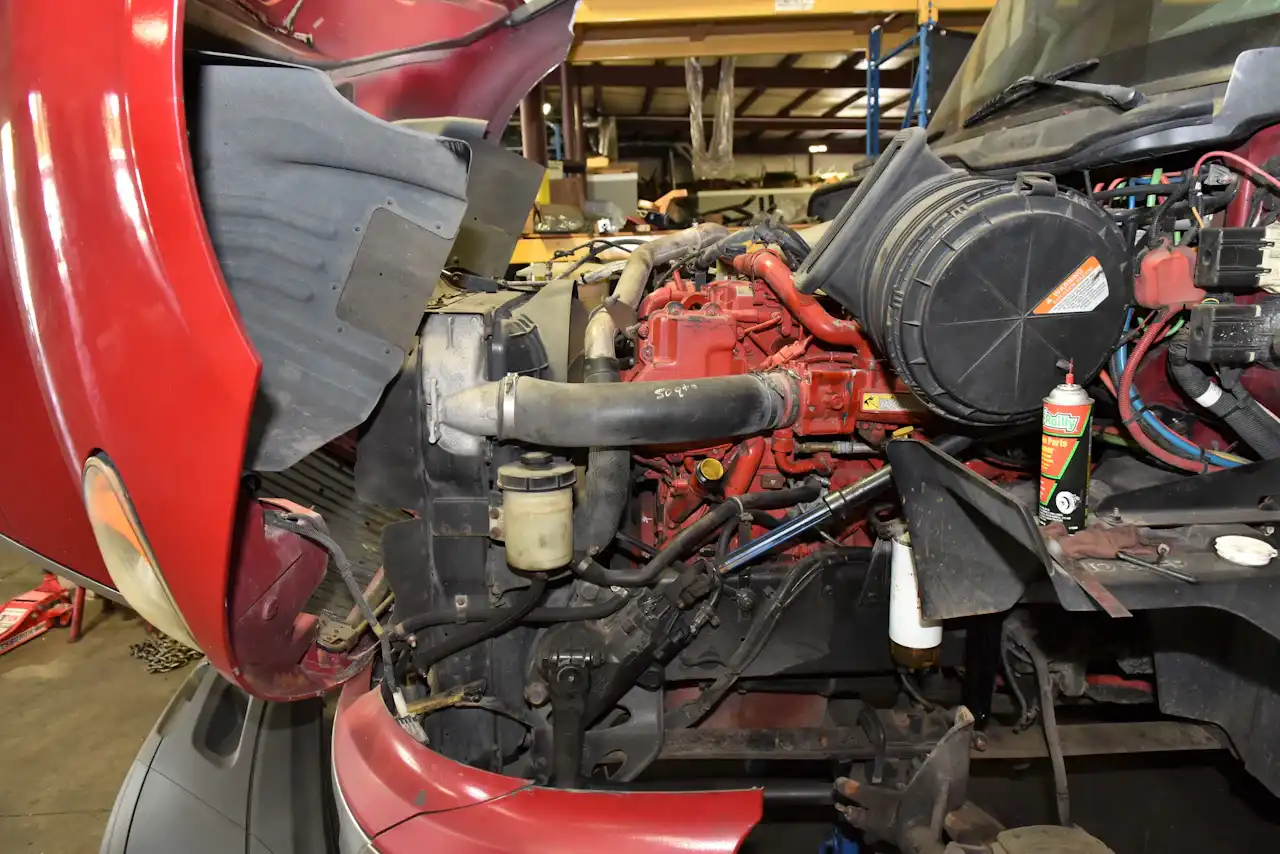

Your excavator starts losing power halfway through a job, or your loader runs hotter than usual under a heavy load. These changes often point to developing Cummins engine problems involving fuel delivery, cooling, or airflow. Catching the warning signs early can help you avoid expensive breakdowns and keep your equipment productive.
What Are the Most Common Cummins Engine Problems?
Cummins engines power excavators, loaders, cranes, generators, and other demanding machinery. Their durability makes them popular, but long operating hours and difficult working conditions can eventually wear down critical components.
The most common problems include:
- Fuel injector problems: Rough idling, hard starting, and reduced power.
- Engine overheating: Rising coolant temperatures and unexpected shutdowns.
- Turbocharger failure: Weak acceleration, reduced torque, and unusual whining.
- Low engine oil pressure: Poor lubrication and increased internal engine wear.
- DPF regeneration problems: Exhaust restrictions, warning lights, and engine derating.
- EGR valve problems: Reduced performance, rough operation, and emissions-related fault codes.
If your equipment develops these symptoms, professional diesel engine repair and overhaul can help identify the underlying fault before it causes additional damage.
Why Do Cummins Fuel Injectors Cause Performance Problems?
Fuel injectors deliver precisely controlled amounts of diesel into the combustion chambers. When an injector becomes clogged, leaks, or develops an electrical fault, combustion efficiency suffers.
You might notice these symptoms:
- Difficult starting, especially after extended downtime
- Rough idling or noticeable engine vibration
- Increased fuel consumption during normal operation
- Black exhaust smoke under load
- Hesitation or inconsistent power delivery
Contaminated diesel fuel and inadequate filtration can accelerate injector wear. Water entering the fuel system may also damage high-pressure components.
How Can You Prevent Fuel Injection Problems?
Replace fuel filters according to the applicable engine maintenance schedule and drain water separators when required. Use clean diesel fuel and investigate repeated fuel contamination rather than continually replacing filters.
If your equipment runs rough after routine maintenance, have a technician check fuel pressure, injector operation, and relevant diagnostic codes before replacing components.
What Causes Cummins Engines to Overheat?
Heavy equipment operates under sustained loads that generate considerable heat. Your engine's cooling system must circulate coolant and release that heat through the radiator.
Several conditions can interfere with this process:
- Clogged radiator fins: Dust, mud, and debris restrict airflow.
- Failing water pump: Reduced coolant circulation allows temperatures to climb.
- Low coolant levels: Leaks decrease the system's ability to manage heat.
- Faulty thermostat: Improper coolant flow affects operating temperature.
- Cooling fan problems: A damaged fan or malfunctioning fan drive reduces cooling capacity.
Florida's warm weather makes cooling system maintenance particularly important for construction equipment operating around Largo and Pinellas County.
What Should You Do When Your Engine Overheats?
Stop working when the temperature warning appears and follow the equipment manufacturer's shutdown procedure. Never remove a pressurized coolant cap from a hot engine.
Inspect for external leaks and radiator blockage only when conditions are safe. Repeated overheating needs professional diagnosis because excessive heat can damage cylinder heads, gaskets, and other internal components.
Turbocharger Failure Affecting Heavy-Equipment Performance
A turbocharger forces additional compressed air into the engine, allowing it to produce the power needed for demanding operations. Problems with boost pressure can leave your machine struggling during excavation, lifting, or hauling.
Common warning signs include:
- Sluggish response when engine load increases
- Unusual whistling, whining, or scraping noises
- Excessive exhaust smoke
- Oil consumption or oil contamination in the intake system
- Reduced boost pressure and diagnostic fault codes
However, low boost doesn't always mean the turbocharger has failed. A leaking charge-air hose, restricted air filter, or faulty sensor can produce similar symptoms.
Inspecting the entire intake and boost system helps avoid unnecessary turbocharger replacement.
You can also review the available Cummins diesel engine models to understand why engine specifications and operating requirements differ between equipment applications.
Why Is Low Engine Oil Pressure Dangerous?
Your Cummins engine depends on pressurized oil to protect bearings, crankshaft surfaces, and other moving components. Insufficient oil pressure increases friction and can cause severe internal damage.
Possible causes include:
- Low engine oil levels
- Incorrect oil viscosity
- A restricted oil pickup
- Worn internal engine bearings
- Oil pump problems
- A malfunctioning oil pressure sensor
How Do DPF and EGR Problems Reduce Cummins Engine Power?
Modern Cummins diesel engines may use exhaust aftertreatment systems to control emissions. The components installed depend on the engine model, age, and emissions certification.
A diesel particulate filter (DPF) captures soot from exhaust gases. Regeneration burns accumulated soot, helping maintain acceptable exhaust flow.
Problems arise when excessive soot accumulates or the regeneration process cannot complete.
Warning signs include:
- Frequent regeneration requests
- Increased exhaust backpressure
- Check engine lights
- Reduced engine power
- Active derate conditions
The exhaust gas recirculation (EGR) system can also develop problems. Carbon buildup, sticking valves, and cooler faults may disrupt normal engine operation.
Before requesting a forced regeneration, technicians should identify active fault codes and confirm the procedure is appropriate. Certain mechanical or emissions faults must be corrected first.
How Can You Diagnose Cummins Engine Performance Problems?
An engine that struggles under load doesn't automatically need a rebuild. Proper Cummins engine diagnostics help distinguish relatively simple faults from serious internal damage.
A practical diagnostic process includes:
- Record operating symptoms: Note engine temperature, load, warning lights, and when the problem occurs.
- Retrieve fault codes: Use compatible diagnostic equipment to review active and stored faults.
- Inspect fluids and filters: Check oil, coolant, air filtration, and fuel system condition.
- Test affected components: Verify fuel pressure, cooling performance, and boost pressure where appropriate.
- Confirm the repair: Recheck fault codes and verify operation under safe, representative conditions.
A detailed heavy equipment engine repair guide can also provide broader maintenance considerations when assessing engine condition.
Accurate diagnosis matters because multiple systems can produce similar symptoms. Replacing parts without testing often wastes money and leaves the original problem unresolved.
What Maintenance Helps Prevent Cummins Engine Failure?
Routine heavy equipment engine maintenance reduces the chance of unexpected downtime. Service intervals should follow the engine manufacturer's instructions and account for demanding operating conditions.
Focus on these tasks:
- Check oil and coolant levels before operation.
- Replace engine oil and filters at the specified intervals.
- Inspect air filters more frequently in dusty conditions.
- Keep radiator and cooling surfaces clear of debris.
- Monitor fuel filters and water separators.
- Investigate warning lights before derating worsens.
- Record recurring symptoms and completed repairs.
Equipment operating near Clearwater, St. Petersburg, and Largo can experience dusty jobsites, high humidity, and prolonged idling. These conditions make consistent inspections worthwhile.
Pay close attention to changes in fuel consumption and operating temperatures. A gradual decline in performance can reveal developing faults long before the engine stops running.
Schedule Your Cummins Engine Repair
Addressing Cummins engine problems early can protect your equipment against expensive internal damage and prolonged downtime. Fuel system inspections, cooling maintenance, and accurate diagnostics help keep machines operating reliably.
Red Lightning Field Service provides heavy-duty engine diagnostics, repairs, and rebuild services. Contact the team to discuss your equipment's symptoms and schedule an inspection before performance deteriorates further.